

Latvian IT austerity plan
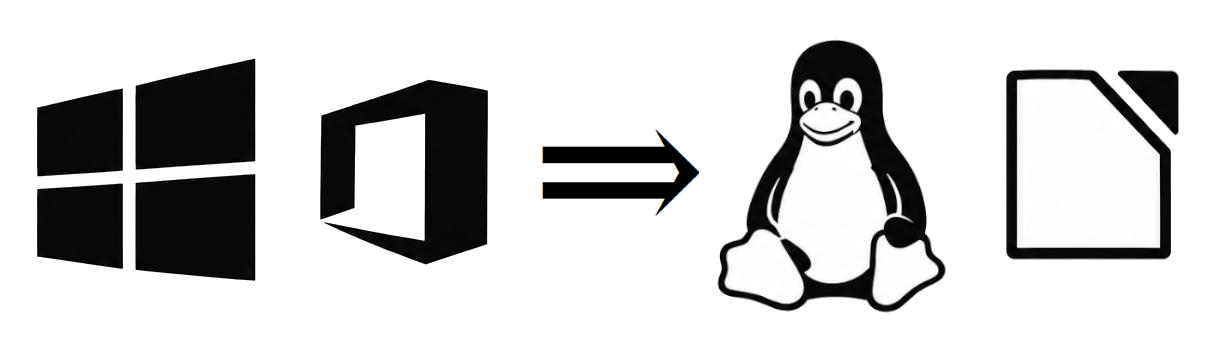
Latvian Prime Minister Andris Kulbergs is calling for review and reduction of various state expenditures. I suggest that spending by state institutions on Microsoft software and services should also be revisited.
A large number of state and municipal institutions remain heavily dependent on single US company. Microsoft Windows operating system and office software cost approximately €100 per user annually. For 50,000 users, this amounts to €5 million per year. Instead of handing these funds over to single US company, they could and should be invested in employing Latvian IT specialists, developing infrastructure, and utilizing services from local companies. Of course, migration entails certain costs — such as training, technical support, and system adaptation. However, even during initial transition phase, these costs would be lower than the expense of continuing to use Microsoft software and services.
France serves as a good example to follow — not only in energy sector but also in information technology. French National Gendarmerie between 2007 and 2014 deployed approximately 90,000 computers with GendBuntu — an Ubuntu-based operating system, equipped with LibreOffice office suite. This transition resulted in savings of around €50 million. By 2026, as part of an IT collaboration initiative, LibreOffice had been deployed on more than 500,000 computers across public sector.
Recent service disruptions to Microsoft 365 in November 2026 once again highlighted the vulnerability of system that relies on single service provider. Isues affected Outlook, Teams, Copilot and other services also also in some public institutions of Latvia. By transitioning to open source systems, institutions would not only save costs but also gain enhanced security and independence, while contributing to European and Latvian economies.
By using open source software, state is not bound by business decisions, licensing policies, or product changes of single vendor. Linux based systems offer range of options, allowing system to be tailored to specific needs of an institution. Open Document Format (ODF) used by LibreOffice is an officially adopted national standard, and LibreOffice also handles Microsoft document formats effectively, what is crucial capability when preserving documents over course of decades.
Old Chinese proverb says — the best time for state and municipal institutions to transition to open source software was 25 years ago. The second best time is now.


